Best VR Headsets 2026: PCMag's Guide to Immersive VR
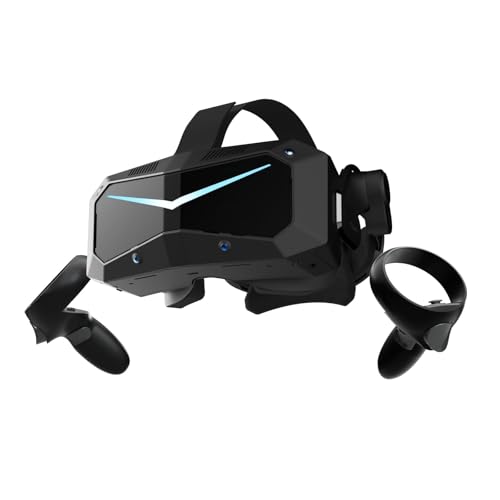
Welcome to 2026, where virtual reality is no longer a nascent technology but a mature, captivating ecosystem transforming how we play, work, and connect. For enthusiasts and newcomers alike, choosing the right VR headset is paramount to unlocking truly immersive experiences. PCMag has rigorously tested the latest offerings, from standalone marvels to tethered powerhouses, to bring you a definitive guide to the best VR headsets available today. Whether you're a casual gamer or a dedicated simulation pilot, the advancements in display technology, tracking, and comfort are astounding.
The Evolution of VR Headsets in 2026: Clarity, Comfort, and Performance
The landscape of VR in 2026 is marked by significant leaps in every aspect. Display resolutions have soared, delivering pixel densities that drastically reduce the dreaded "screen door effect," making virtual worlds appear sharper and more lifelike. Refresh rates have climbed, leading to smoother motion and reducing motion sickness, a common hurdle for early adopters. Ergonomics and comfort have also been prioritized, with lighter designs, better weight distribution, and more intuitive head straps ensuring hours of comfortable use.
Standalone headsets, exemplified by models like the Meta Quest 3 and the newer Meta Quest 3S, continue to dominate the mainstream. These devices offer unparalleled ease of use, cutting the cord entirely and providing powerful onboard processing that can handle a vast library of games and applications. Their ability to deliver impressive visuals and tracking without being tethered to a PC makes them incredibly versatile for social VR, fitness, and casual gaming.
However, for those seeking the absolute pinnacle of visual fidelity and processing power, PC-tethered VR headsets remain the undisputed champions. These devices leverage the raw horsepower of high-end gaming PCs, enabling incredibly complex simulations, hyper-realistic graphics, and vast virtual environments that standalone units simply cannot render. When it comes to demanding applications, the difference is often night and day.
Diving Deep: The Ultimate VR Flight Simulator Cockpit Experience
For a niche yet rapidly growing segment of VR enthusiasts, the ultimate immersion comes from the world of flight simulation. The dream of piloting an aircraft, whether it's a nimble fighter jet or a colossal commercial airliner, has been revolutionized by virtual reality. A VR flight simulator cockpit is more than just a headset; it's a meticulously crafted environment designed to trick your senses into believing you are truly in the pilot's seat.
Imagine strapping on a high-resolution VR headset, and suddenly you're not in your living room, but 30,000 feet above the Alps, the intricate details of your cockpit instruments spread before you. The sensation of looking out the window, banking into a turn, or managing complex avionics becomes incredibly visceral. The VR headset provides the visual component, offering a 360-degree view that replicates the real-world experience, allowing pilots to check their wingtips, scan for traffic, or navigate visually with unprecedented realism. This level of presence is what sets VR flight simulation apart from traditional monitor setups.
Key Headset Features for Flight Sim Enthusiasts
When selecting a VR headset specifically for a flight simulator cockpit, certain features become paramount:
- High Resolution and Pixel Density: Crucial for readability of cockpit instruments and distant ground details. Higher PPI (pixels per inch) means less blur and clearer text, vital for accurate navigation and system management.
- Wide Field of View (FoV): A broader FoV enhances peripheral awareness, allowing you to scan the horizon, spot other aircraft, or appreciate the grandeur of the virtual landscape without excessive head movement.
- Comfort and Ergonomics: Flight simulator sessions can last for hours. A lightweight, well-balanced headset with a comfortable strap system is essential to prevent fatigue and discomfort. Look for designs that allow easy adjustment.
- Excellent Tracking Accuracy and Low Latency: Precise head tracking is critical for natural head movements in the cockpit. Low latency ensures that your virtual view updates instantly with your physical head movements, preventing motion sickness and enhancing immersion.
- Display Type (OLED vs. LCD): While LCDs offer higher resolution, OLEDs often provide superior contrast and true blacks, which can be beneficial for night flying or enhancing the depth of the virtual cockpit.
- Passthrough Capabilities: Some headsets offer color passthrough, which can be invaluable for interacting with physical cockpit controls (e.g., switches, buttons on a HOTAS or rudder pedals) without needing to remove the headset.
Building Your Dream VR Flight Simulator Cockpit: Beyond the Headset
While the VR headset is the window to your virtual world, a true flight simulator cockpit requires additional hardware to complete the illusion. This is where the magic of haptics and specialized controllers truly shines.
- HOTAS (Hands On Throttle And Stick): An absolute must-have. A quality HOTAS system provides realistic control over throttle and joystick inputs, often featuring numerous programmable buttons and switches that map to actual cockpit functions.
- Rudder Pedals: Essential for realistic yaw control, braking, and steering on the ground. They add another layer of fidelity that significantly enhances the feeling of flying.
- Motion Platforms: For the ultimate immersion, motion platforms simulate the physical forces of flight, such as turbulence, G-forces during turns, and the vibrations of the engine. While a significant investment, they blur the lines between virtual and reality like nothing else.
- Dedicated PC Power: A high-end gaming PC with a powerful CPU and GPU is non-negotiable for running complex flight simulators (like Microsoft Flight Simulator, DCS World, or X-Plane) at high resolutions and frame rates in VR.
- Dedicated Space: While not a hard requirement, having a dedicated space for your cockpit setup, free from distractions, maximizes immersion.
The synergy between a top-tier VR headset and these peripherals creates an unparalleled experience. The tactile feedback from your HOTAS, the precise control from your rudder pedals, and the visual immersion of the headset combine to make you truly feel like you're airborne. This isn't just gaming; for many, it's a serious hobby, offering a profound sense of presence and skill development.
Standalone vs. PC VR for Optimal Immersion in Flight Sims
The choice between standalone and PC VR is particularly stark when considering flight simulators. While standalone headsets like the Meta Quest 3S offer impressive portable VR gaming, their integrated mobile processors simply cannot render the detailed cockpits, vast terrains, and complex physics of modern flight simulators at optimal settings.
For a truly immersive flight sim experience, a PC VR setup is almost always recommended. It provides:
- Superior Graphics: The ability to push higher resolutions, more detailed textures, and advanced lighting effects.
- Higher Frame Rates: Crucial for smooth motion in a flight sim, reducing judder and motion sickness.
- Access to Demanding Sims: The most realistic and feature-rich flight simulators are almost exclusively PC-based.
- Modding Potential: PC platforms allow extensive modding, letting you customize aircraft, environments, and add-ons to an incredible degree.
While some standalone headsets can connect to a PC via a link cable or Wi-Fi for PC VR experiences, dedicated PC VR headsets often offer better overall performance and comfort for prolonged, high-fidelity simulation sessions.
Conclusion: The Sky's the Limit for VR in 2026
The VR landscape in 2026 offers an incredible array of choices for every type of user. From accessible standalone units that bring virtual worlds to everyone, to powerful PC VR systems pushing the boundaries of realism, the technology has never been more refined. For those who dream of soaring through the skies, the combination of a high-fidelity VR headset and a well-equipped VR flight simulator cockpit offers an unparalleled, deeply immersive experience. As PCMag continues to evaluate the latest innovations, one thing is clear: the future of immersive VR is here, and it’s more breathtaking than ever before.